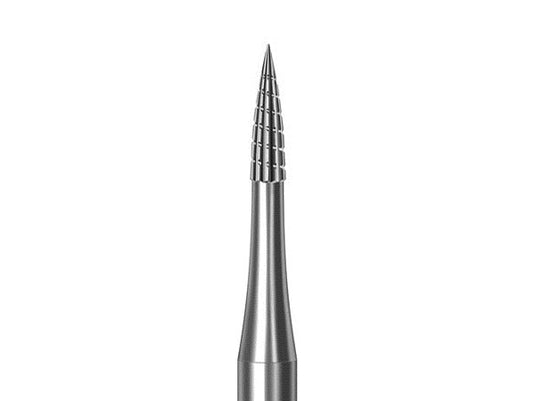
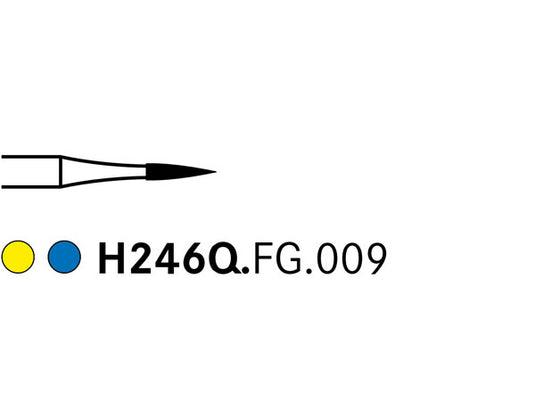
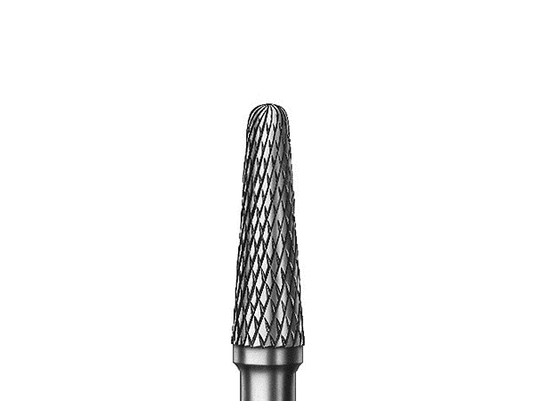
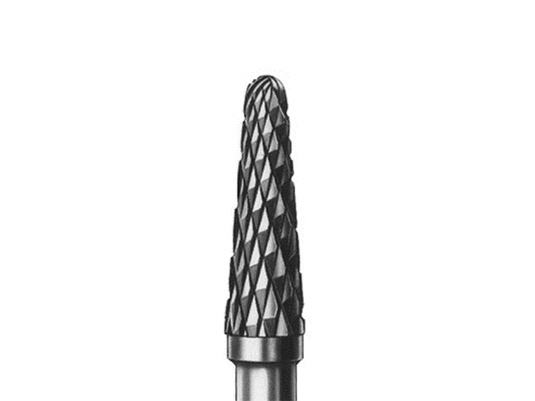
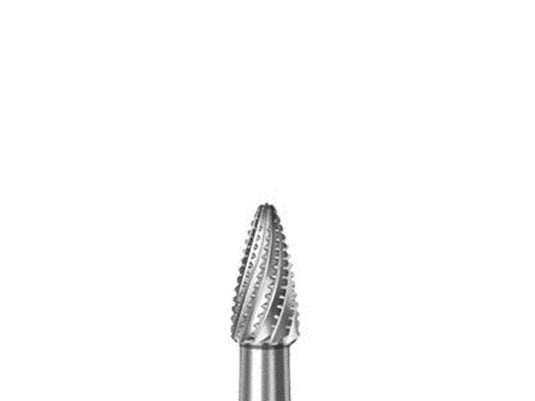
Komet's H246Q is a pointed carbide used for occlusal adjustment, debonding and composite finishing. H246Q is a part of the Q-Finishers® series.
Until recently, composite restorations required three...
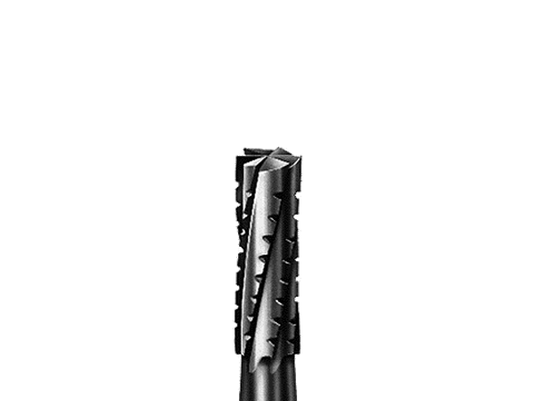
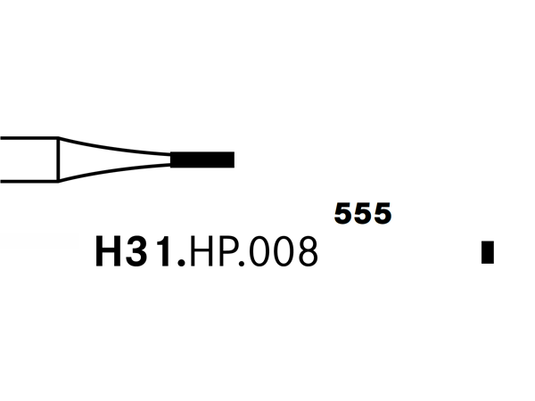
Komet H31 is cylinder tungsten carbide featuring cross-cut fissures. HP shank.
H31 is also available with a friction grip (FG), friction grip short shank (FGSS), and friction grip surgical length s...
For acrylics and metal alloys. Sold individually.
Indications for Use
Crown and bridge technique.
Technical Details
H79EF: Technical Details.
Configurations
HP/Handpiece Shank:
H79EF....
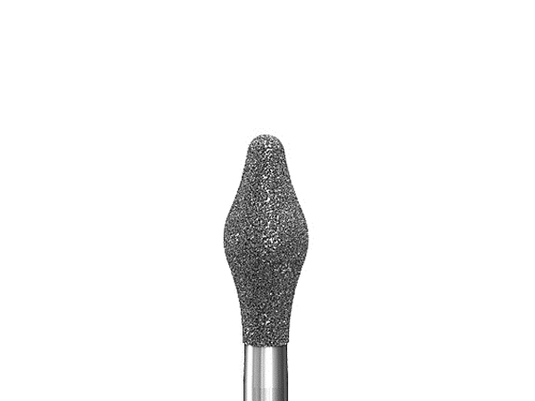
8370 OccluShaper is a finishing diamond bur with fine (46 µm) grit.
The innovative OccluShaper (8370) finishing diamond has a fine grit and offers a minimally invasive approach to precise preparati...
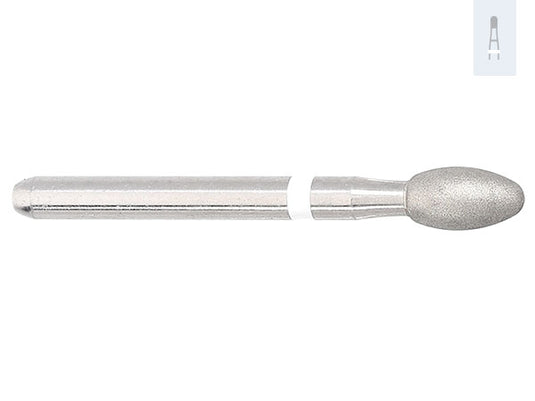
Komet 379UF egg-shaped diamond bur is an occlusal/lingual reduction bur that matches the H379 carbide finisher series. The US Number is OSD1UF.
White band = ultra-fine grit, 8 microns.
Matches the ...
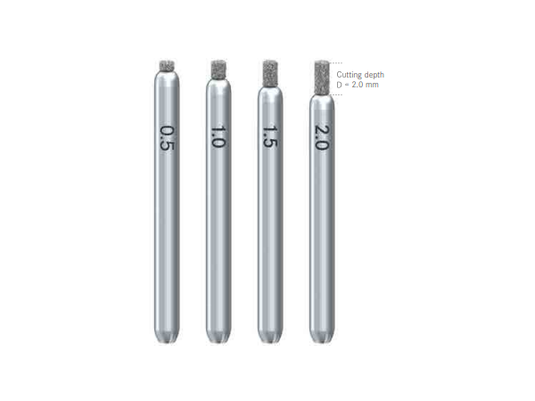
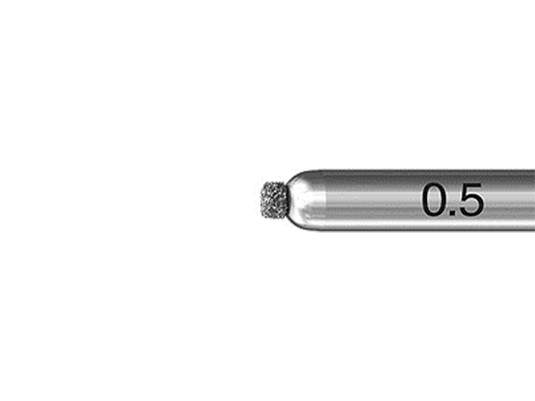
Designed to precisely mark preparation depth prior to restoration, the new Komet® PrepMarker® instrument maximizes restorative success and predictability. Features and benefits include:
Reliably a...
For acrylics, plaster and metal alloys. Sold individually.
Indications for Use
Crown and bridge technique.
Technical Details
H79E: Technical Details.
Configurations
HP/Handpiece Shank:...
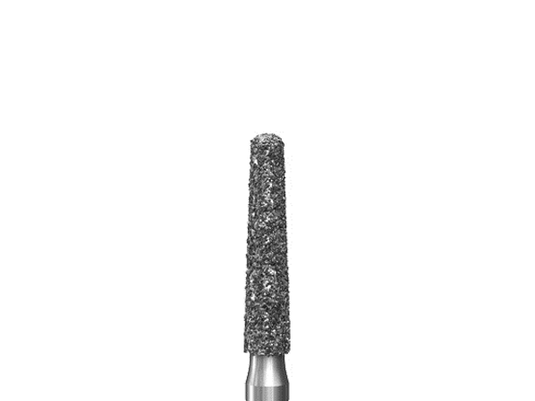
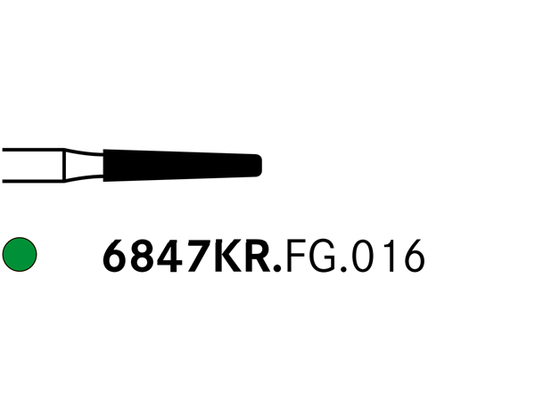
Komet 6847KR is a tapered shoulder diamond preparation bur with a modified design. Matches H336 carbide finisher series.
Indications for Use
Crown preparation.
Looking for a way to easily switch ...
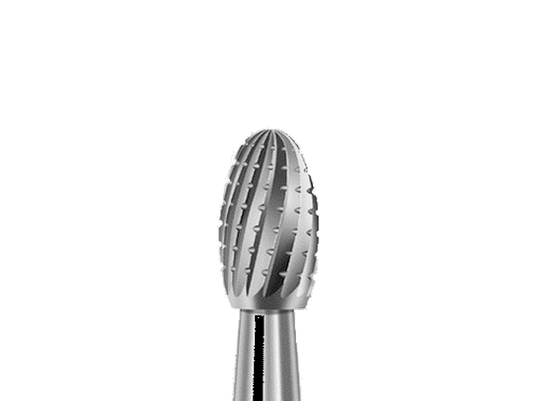
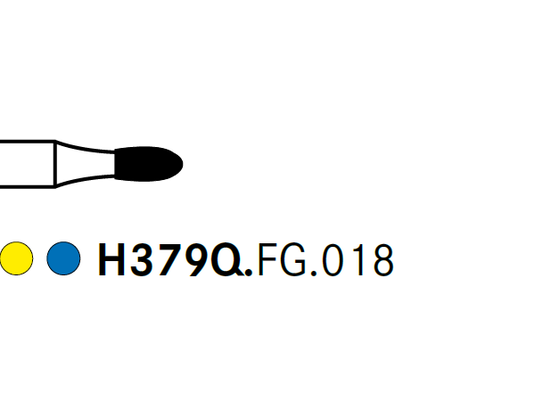
Komet's H379Q is a football-shaped tungsten carbide bur with unique cross-cut toothing that makes palatal/occlusal adjustments, composite finishing, and debonding more accurate and efficient.
Until...
Occlusal - cutting tip.
Composite | Q-Finishers
Until recently, composite restorations required three finishing steps, using standard, fine, and ultra-fine finishing instruments. Incorporating an i...